 Proudly Canadian-Sourced & Made!
Dinner, Drinks or Both? Building the Right Toronto Date Night
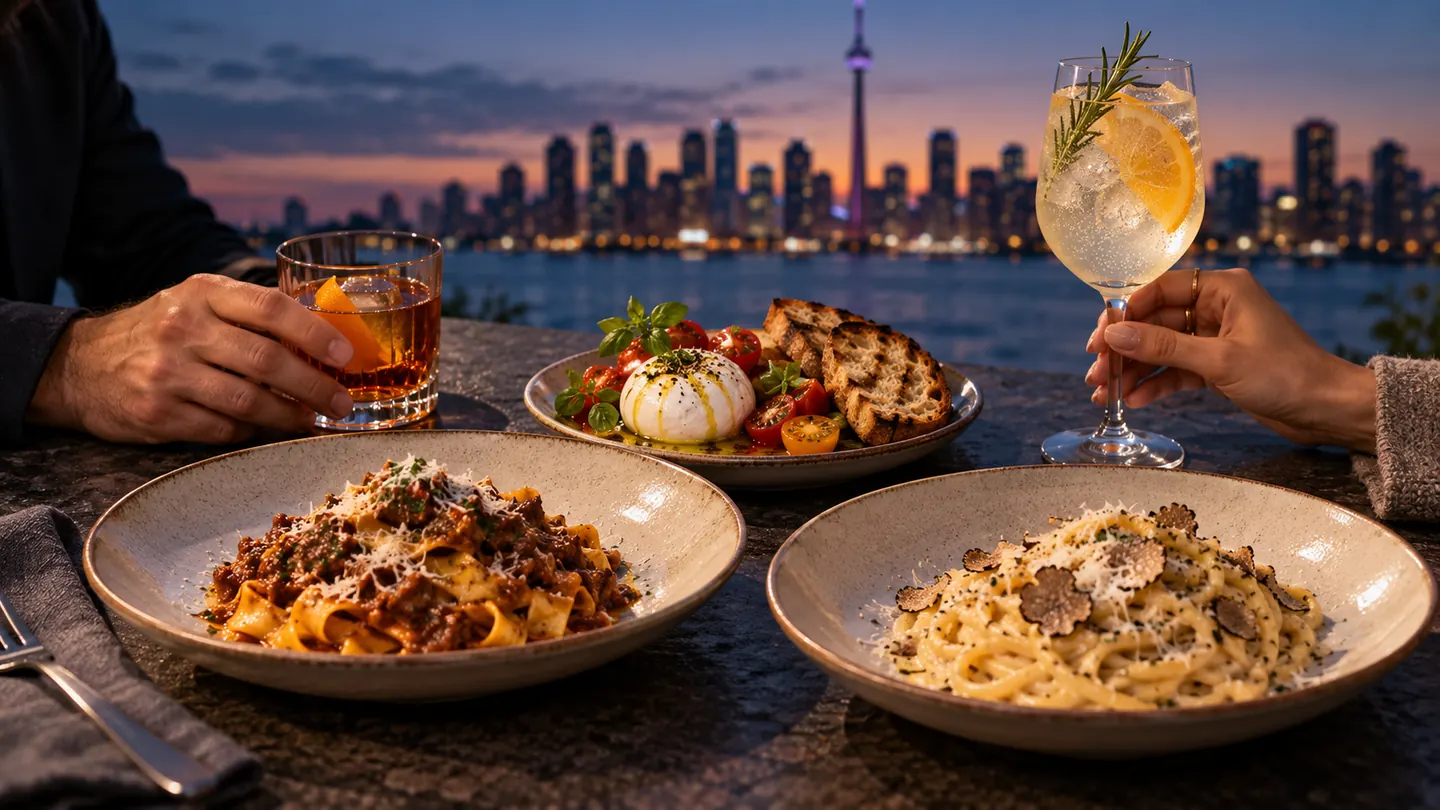
A good Toronto date night does not have to follow the same script every time. Some evenings call for dinner and a relaxed goodbye. Others work better as a drink and a conversation. When you have the time and appetite, dinner and drinks can become one easy evening—if the pacing feels right.
Use this guide to choose the format, order the evening, and leave room for the part you cannot plan: how much you enjoy being together.
Choose the night before you choose the order
“Dinner or drinks?” sounds like a menu question, but it is really a question about energy. Are you hungry and ready to settle in? Do you have an hour after work and want to catch up? Is this a celebration that deserves more room? Naming the purpose of the evening makes the restaurant choice easier. It also keeps you from booking a full dinner when you really wanted a relaxed conversation, or squeezing a special meal into a rushed hour.
Think about three things together: time, appetite and attention. If you have a short window, use it well. If you want to talk at length, build in space between decisions. If one person is coming straight from work while the other has already eaten, do not assume a fixed two-course dinner is the only date that counts. The best plan is one both people can enjoy without quietly managing the clock.
Choose this when you are hungry, the meal is the occasion, or your time is clear but limited.
Choose this for a shorter catch-up or a flexible first meeting—after checking the venue can host it.
Choose this when you want the evening to unfold in stages and have time to enjoy each one.
When dinner alone is the better date
Dinner only is a strong choice when the food is the main reason to go out. Perhaps you have been looking forward to trying a particular dish, you are celebrating something quietly, or you simply need a real meal after a long day. A well-paced dinner already contains a beginning, middle and finish: arrive, order, enjoy the courses and decide whether to stay for dessert. It does not need a separate bar stop to feel complete.
Keep the structure simple. An appetizer to share can start a conversation, but it is just as reasonable to order individual mains and focus on catching up. Browse the current menu in advance so both people have appealing options. Check dietary needs directly with the restaurant when the online description is not enough. Nothing slows a date quite like discovering at the table that one person cannot comfortably order.
Dinner alone also works when tomorrow starts early. Choose a reservation time that lets you eat without rushing and still get home at a sensible hour. If you have a firm end time, tell the staff when you arrive. At SLATE, you can look through the current food menu before choosing how elaborate the meal should be. Availability and dishes can change, so use the live menu as a guide rather than a guarantee.
Choose dinner only when the meal is the occasion, you want an easy natural ending, or adding a drinks plan would make the night feel busier rather than better.
When drinks are enough
Sometimes a date needs a small opening, not a three-course commitment. A drink can be a good format when you have limited time, have already eaten, or want to see whether the conversation has momentum before planning a longer evening. It is especially useful for a first meeting: there is a clear reason to get together and a natural point at which either person can decide what happens next.
“Drinks” does not have to mean alcohol. A sparkling non-alcoholic drink, tea or another option can work just as well. The point is a comfortable place to talk. Before you make drinks-only plans at a restaurant, check whether the venue takes that kind of visit at your chosen time. Table policies and busy periods vary, and a place that offers a bar program may still prioritize dinner reservations at peak hours.
If you want the possibility of food, say so rather than building the night around an assumption. A drink can turn into an appetizer or a meal if both people are hungry and the venue can accommodate it. Equally, it can remain one pleasant hour. You can review SLATE's current cocktail selection online, then contact the team about the best way to plan a drinks-focused visit.

Choose drinks only when a short, flexible conversation is the goal. Confirm the venue's seating policy and leave food as an option, not an obligation.
When dinner and drinks make one better evening
Combining food and drinks can give a date more shape without adding another address. You can settle in with a first drink, move into dinner and decide afterward whether to linger. That sequence makes the night feel like a shared experience rather than a reservation you have to finish. It works especially well when you have time, want to celebrate, or have been looking forward to a full night out.
The danger is overplanning. An aperitif, a drink with every course and a final round can crowd the conversation and the appetite. Let each stage earn the next one. If a first drink is enough before dinner, stop there. If the meal is satisfying, dessert or coffee may be a better ending than another cocktail. If one person does not drink alcohol, choose a non-alcoholic option without making it a special case.
A restaurant-and-bar format is useful because the transitions can happen in one place. You do not have to move coats, settle a bill, travel across town and begin again. SLATE publishes both food and cocktail menus, so you can see how a dinner-and-drinks visit might fit your plans. The exact seating and service flow depend on availability; make a reservation for dinner and mention any timing preference when you book.
Choose dinner and drinks when you want the evening to develop in stages, can give it enough time, and want one place to cover more of the plan.
The order of the evening changes the mood
A drink before dinner is a transition. It gives you a chance to arrive fully, look through the menu and move from the day's pace into the night's. It can be helpful after work or when one person has travelled farther. Keep it modest if you are hungry; a long wait for food can turn a relaxed beginning into impatience.
A drink with dinner makes sense when it complements what you want to eat, but it does not need to be a technical pairing exercise. Think in broad flavors. A bright, citrus-forward option may feel lively with lighter food; a richer drink may fit a slower, more robust meal. Water on the table makes the whole experience easier. Ask the team for guidance based on your own tastes rather than ordering something because it sounds impressive.
A drink after dinner changes the ending. It can be a natural way to say, “I am enjoying this; shall we stay a little longer?” That choice is most valuable when it stays optional. If the conversation has reached a good finish, leave on that note. If both people want more time, check that the venue has room and is still serving. The same decision can be dessert, coffee or a walk instead.
Choose one first drink if it helps you slow down and begin talking.
Order the meal you want and add a drink only if it suits the food and your pace.
Stay for something else, take a walk or call it a good night.
Give each part enough time to feel like a choice
Timing is where a good idea often goes wrong. A pre-dinner drink is less appealing if your table is booked so soon that you have to finish it quickly. Dinner feels rushed when a show begins across town just after the main course. A late reservation may turn the whole plan into a search for food while tired. Start with the fixed parts of the evening—travel, work, a performance, the last transit connection—then give the meal breathing room.
For a relaxed date, think in chapters rather than exact minutes. Allow time to arrive. Know whether you are eating first or meeting for a drink. Give dinner its own space. Let the ending remain open. If you must leave by a certain time, tell the restaurant at the beginning so service can be paced around a real deadline.
A Friday at peak dinner time may have a different rhythm from a quieter weekday. If you want to linger, ask about the best reservation time rather than assuming any table can stay indefinitely. If your plans are spontaneous, check the restaurant's current booking instructions. SLATE's reservation page asks guests to call for same-day bookings and says online requests await confirmation.
Three date-night plans you can actually use
Use these as starting points. They are deliberately simple so you can adjust them to your energy and budget. The right plan is one both people can say yes to without negotiating every detail.
Book a comfortable dinner time, order what appeals to you, and leave dessert open. Good when tomorrow starts early.
Meet for a drink only if the venue can host it. Add food if you both want more time and a table is available.
Start with a drink, enjoy dinner without rushing and choose dessert, another drink or a walk afterward.
The plans differ in one important way: where the decision points fall. The weeknight dinner has a clear finish. The short catch-up can grow. The full evening gives you stages, but each one is still optional. That is why the best date-night planning feels prepared and flexible at the same time.
Choose a place that supports the plan
Look at the venue as a whole, not as a list of dishes or drinks. If dinner is the focus, the menu should work for both people. If conversation is the focus, consider the sound level and seating at your chosen time. If you want both food and drinks, check that the location and reservation process make the full evening practical. A single destination is convenient only when it actually supports each part of the night.
Location matters after the bill as much as before it. Is getting home straightforward? Is there a nearby walk you would enjoy if the weather cooperates? SLATE is at 2237 Queen Street East in Toronto's Beaches area, according to its contact page. If a walk is part of your plan, check the weather and route rather than assuming the evening will unfold exactly as imagined.

If you are choosing a place for a first meeting, our first-date restaurant guide covers conversation, seating and an easy exit in more detail. For the broader atmosphere question, see what shapes a great date-night restaurant.
The two-minute date-night checklist
Before you reserve, run through these questions together. You do not need a perfect itinerary; you need a plan with the right amount of structure.
- Are we hungry enough for dinner, or looking mainly to talk?
- Would one venue for food and drinks make the night easier?
- Have we checked current menus and dietary needs?
- Do we want a short visit or room to linger?
- Is our reservation time realistic after travel or work?
- Can either person choose a non-alcoholic drink comfortably?
- Is there an easy way home or an optional next stop?
- Do we know whether the booking is confirmed?
If one answer is uncertain, ask a specific question when booking. “Can we come for drinks only?” and “Is an earlier dinner better if we want to talk?” are both more useful than asking a restaurant to create a perfect date night. The staff can help with what the venue can actually do.
A few decisions that come up often
Should we book dinner if we might only want drinks?
Book for the visit you genuinely plan to make. If you want drinks only, ask whether the venue can accommodate that at your preferred time. If you are hungry, book dinner and leave the rest open.
Do cocktails have to be part of dinner and drinks?
No. Wine, a non-alcoholic drink, water or coffee can all play a role. The idea is to make the evening comfortable, not to complete a beverage checklist.
How do we avoid making dinner feel rushed?
Choose a reservation time with enough margin for travel and any plans afterward. Tell the team about a firm departure time, or ask which seating suits a more relaxed visit.
Explore SLATE's current food and cocktail menus, then reserve the dinner time that makes sense for your evening. If you are considering drinks only or have a timing request, contact the team before you go.
Reserve a table at SLATE Explore the menu

